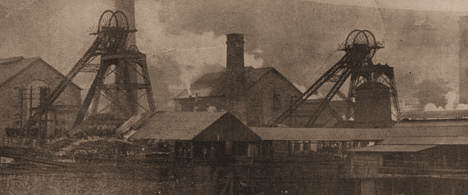
Peckfield Mining Disaster
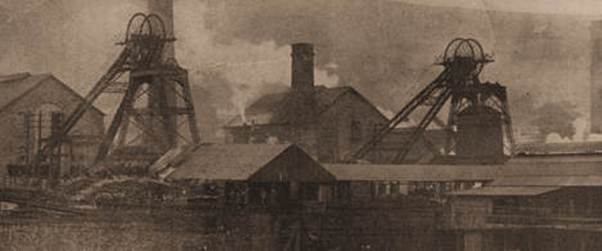
On the morning of Thursday, 30 April 1896, the small West Yorkshire village of Micklefield was shattered by a catastrophic underground explosion at Peckfield Colliery. The incident stands as the second-worst mining disaster in West Yorkshire’s history. It killed 63 men and boys alongside 19 pit ponies, fundamentally altering the community. The tragedy exposed the severe dangers of nineteenth-century coal mining and left a lasting legacy of grief, resilience, and commemoration.
The Catalyst and Mechanics of the Blast
Peckfield Colliery had operated for 19 years with an excellent safety record. At approximately 07:00, 105 miners and 23 pit ponies descended into the shafts to start the day shift. Within twenty minutes, at 07:20, a massive explosion ripped through the underground workings.
The disaster began on the far East side of the mine’s Beeston Bed seam. Shortly before the shift started, an undetected roof fall occurred, releasing a pocket of highly flammable firedamp gas into the air current. At the time, regulations permitted miners to use naked light sources in certain sections of the pit. A colliery worker walked past the No. 1 Gate holding a naked tallow candle. The open flame immediately ignited the pocket of accumulated gas.
While the initial gas ignition was relatively small, its consequences were amplified by the presence of dry coal dust. The shockwave shook the mine passages, dislodging fine coal dust from the roofs, sides, and supporting timber props. This airborne dust acted as a secondary fuel source, triggering two massive subsequent explosions that tore through the tunnels from east to west.
The raw energy of the blast was immense. The sound was heard up to six miles away in neighbouring villages of Garforth, South Milford, and Crossgates. Underground, the shockwave blew out heavy trap doors, caused massive roof collapses, and destroyed the transport infrastructure. The primary cage inside the main shaft was violently propelled upward into the surface headgear, instantly cutting off the main route of escape.
The Fight for Survival and Rescue Efforts
Of the 105 individuals underground, only 42 survived the initial explosions and eventually reached the surface alive. The 11 miners working in the deeper Black Bed seam escaped the direct heat of the fire but were thrown to the ground by the atmospheric shockwave. They regained consciousness an hour later, surrounded by suffocating afterdamp—a deadly, oxygen-depleted mix of carbon monoxide and nitrogen.
Led by Deputy Robert Henry Nevins, the group crawled through a steep stone drift toward the Beeston Bed. Overcome by toxic air, they were forced to leave behind a weakened comrade, Fred Atkinson, before the survivors scrambled up to the surface. Other miners tried to run through the dark, dust-filled tunnels. Rescuers later traced their footprints in the thick dust, showing where they tried to escape before being overcome by gas.
Volunteer rescue parties descended into the pit despite the threat of secondary collapses and pockets of afterdamp. Some survivors, like George Carter Cawood, immediately joined the rescue squads after reaching safety. The rescue teams found devastating scenes. The undermanager and every single day-shift deputy were found dead in their basement cabin, killed while writing in their logbooks. Only a few animals survived; out of 23 pit ponies, rescue teams found just four alive in the deep recesses of the mine. One injured miner, named Whitaker, was brought out alive but later died from his injuries at the Leeds General Infirmary.
The Victims
The 63 fatalities devastated the social structure of Micklefield. The disaster wiped out almost an entire generation of working men, creating 34 widows and leaving 107 children fatherless.
The victims ranged from experienced miners to young boys:
- The Benson Family: The tragedy hit individual families hard. The Bensons lost three members in the blast: James (52), George (25), and Fred (14).
- Child Labour: Fred Benson was the youngest victim. Other young teenagers died in the disaster, including 16-year-old Samuel Godber and 17-year-old Elias Clark.
- The Breadwinners: The loss of adult men left families with no income, forcing them to rely entirely on community charity.
On Sunday, 3 May 1896, the victims were laid to rest in one of the largest funerals West Yorkshire had ever seen. An estimated 25,000 mourners from across the coalfields arrived in Micklefield. A procession of coffins stretched for over a mile from the Miners' Institute to St Mary's Church, forming what witnesses described as a "river of black".
An official government inquiry concluded that the mine operators needed to implement stricter safety measures. The investigation led to a ban on naked lights at Peckfield Colliery, requiring miners to use enclosed safety lamps, like the Clanny or Davy lamps, to prevent gas explosions.
Following the tragedy, a public relief appeal raised £20,625 to support the grieving families. Queen Victoria contributed £50 to the fund, and the colliery owners donated £1,000. The fund was managed so carefully that its surplus was later used to support victims of other British mining disasters, including the 1912 Cadeby explosion and the 1913 Senghenydd disaster in Wales.
Commemoration and Lasting Legacy
Micklefield continues to honour the memory of those lost in the Peckfield disaster through several permanent memorials and annual events.
- St Mary’s Churchyard: Many of the victims are buried here under a large stone monument dedicated to the lost miners. Inside the church, the Widows' Plaque displays the names of the 34 women left behind.
- Village Plaques: The village features several historical markers. A plaque at the old Blands Arms public house marks where the first relief efforts began, an Orphans' Plaque stands near the old Infants School, and a stone marker on Pit Lane indicates the original colliery entrance.
- Micklefield Primary School Memorial Garden: This community garden serves as a central space for reflection. It features 63 individual stones hand-painted by schoolchildren with the names of each victim, alongside gold horseshoes to remember the 19 pit ponies.
- The 125th Anniversary: In 2021, the Archbishop of York led a memorial service at St Mary's Church. Community members placed 63 crosses in the churchyard, and the church bells tolled 63 times at 07:20 to mark the exact moment of the explosion. Descendants also created a commemorative banner featuring 63 knitted miniature miners, which went on display at the Lotherton Hall museum.
- The 130th Anniversary: In April 2026, residents and descendants took part in a guided heritage walk through the village's key historical sites, ending with a presentation on the disaster's history and a traditional Victorian miners' meal.
The Peckfield mining disaster remains a central part of Micklefield’s identity, ensuring that the sacrifices of these miners are remembered by future generations