
The Story of Garforth Swimming Pool

When the Garforth Plan was being prepared Garforth residents were asked on five separate occasions over 10 years what they would like to see in Garforth. A swimming pool was strongly supported in every single survey. The strength of feeling was surprising but there is history to it. In the 1960’s Garforth residents raised money to build a swimming pool in Garforth but instead it was built in Kippax.
The decision to build the local swimming pool in Kippax rather than Garforth, despite the intensive fundraising efforts of Garforth residents, is a well-remembered and long-standing local grievance.
This controversial outcome was primarily driven by local government reorganisation, site availability, and political ward dynamics:
1. Local Government Reorganisation (1974)
When Garforth residents initially began campaigning and raising money in the 1960s, the village fell under the Garforth Urban District Council (UDC). However, the Local Government Act 1972 (implemented in 1974) completely dismantled the UDC. Garforth, Kippax, and several surrounding villages were absorbed into the much larger Leeds City Council metropolitan borough.
When the local funds were handed over, they ceased to be managed by a hyper-local council dedicated solely to Garforth. Instead, they were absorbed into the wider municipal budget of Leeds City Council, which prioritised a regional footprint for community services rather than a village-by-village approach.
2. The Hub-and-Spoke Planning Strategy
During the 1970s planning phase, Leeds City Council adopted a strategy to cluster specific types of leisure facilities to serve multiple neighbouring communities, rather than duplicating the same facilities in every village:
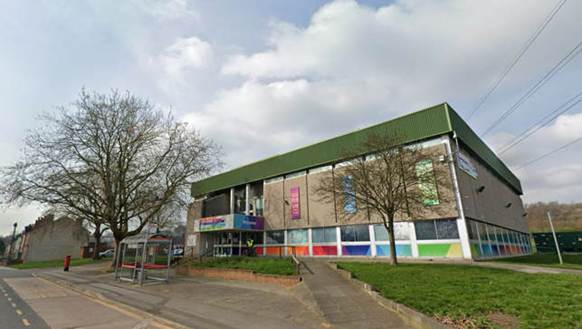
- Garforth was allocated a dry-sports hub, leading to the construction of the Garforth Squash and Leisure Centre.
- Kippax was selected as the designated wet-leisure hub to serve the wider LS25 area, which included Garforth, Swillington, and Great Preston.
3. Ward Politics and Council Influence
Local political leverage played a significant role in where the physical infrastructure was placed. In the years following the local government merger, prominent council leaders and highly influential committee members represented the Kippax area. This political weight helped secure the physical placement of the Kippax Leisure Centre pool within their own ward borders, arguing that a central LS25 location would technically still serve the Garforth fundraisers.
4. Land Availability and Subsidence Issues
Garforth was undergoing rapid housing and industrial expansion in the late 1960s and 1970s, which limited central, council-owned plots of land suitable for a heavy, water-filled infrastructure project. Additionally, because both Garforth and Kippax were historic coal-mining communities, finding a site free from severe risk of mining subsidence was a major engineering hurdle. The council ultimately selected the Kippax site as the most stable and viable plot available to them at the time for a swimming pool infrastructure.
The result remains a historic point of contention for older Garforth residents, who watched their hard-earned community funds cross the border to establish Kippax ASC (Amateur Swimming Club) and the Kippax pool in 1975.
Today, Kippax Leisure Centre has dry sports as well. Garforth Leisure Centre doesn’t have a swimming pool.